Artificial intelligence is reshaping transportation networks through real-time decision-making, predictive maintenance, and data-driven routing. In vehicles, AI enhances safety and efficiency via sensor fusion and adaptive control, while governance and privacy concerns demand transparent analytics and independent audits. In logistics, AI optimizes freight and mobility services, yet interoperability and equity remain unresolved. As policymakers balance innovation with civil liberties, the sector must confront governance, ethics, and resilience to determine how far to extend autonomy and optimization.
How AI Transforms Transportation Networks
Artificial intelligence reshapes transportation networks by enabling real-time decision-making, predictive maintenance, and optimized routing across multimodal systems.
The analysis highlights governance frameworks, data governance, and ethical considerations guiding deployment, aligning performance with public interests.
AI in Vehicles: Safety, Autonomy, and Efficiency
Vehicles equipped with AI systems are reshaping safety protocols, autonomy benchmarks, and operational efficiency within modern mobility ecosystems. The analysis emphasizes risk assessment frameworks guiding sensor fusion, scenario testing, and fail-safes, while still respecting user autonomy. Observations highlight how driver behavior data informs adaptive control and ethics-guided policy. This trajectory supports resilient, freedom-enabled transportation without compromising accountability and public trust.
Logistics and Operations: AI for Freight, Rides, and Mobility-as-a-Service
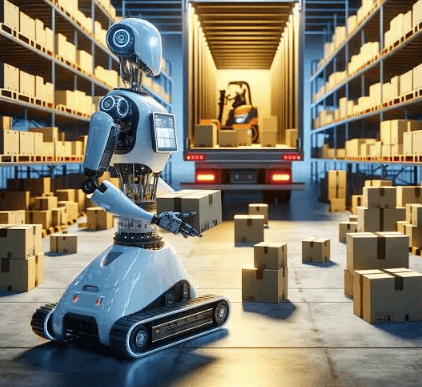
Logistics and operations are being transformed by AI across freight, rides, and Mobility-as-a-Service (MaaS), enabling data-driven decision-making, dynamic pricing, and optimized routing at scale.
This evolution supports fleet optimization and enhances driver well being through smarter scheduling, workload balance, and real-time safety insights.
Policymakers should incentivize interoperable data standards, transparent analytics, and scalable deployment to sustain inclusive, resilient mobility ecosystems.
Challenges and Ethics of AI in Transportation
To what extent can AI harmonize efficiency with equity in transportation, while guarding against unintended harms? The discussion analyzes governance frameworks, accountability, and transparency to navigate practical constraints. It emphasizes privacy governance and bias evaluation as core safeguards, balancing innovation with civil liberties. Policymakers should commission independent audits, clarify liability, and foster inclusive design to ensure scalable, ethical adoption that respects user autonomy and public trust.
Frequently Asked Questions
What Are the Career Prospects in Ai-Driven Transportation?
The career prospects in ai transportation are expanding as autonomous systems, data analysis, and policy oversight demand cross-disciplinary expertise; professionals will engage in design, safety, regulation, and implementation, driving innovative mobility solutions while balancing ethics, equity, and public accountability.
How to Measure ROI for AI Transit Projects?
ROI measurement methods for AI transit projects hinge on total cost of ownership, risk-adjusted benefits, and alignment with policy goals; implementation timelines should be phased, transparent, and data-driven to support informed funding and governance decisions.
What Data Privacy Concerns Arise in Transit AI?
Data privacy concerns in transit AI center on surveillance scope, data minimization, and consent mechanisms, with transit ethics guiding transparent data governance, robust anonymization, and accountable third-party access to ensure privacy while enabling public value and user freedom.
How Will AI Affect Urban Planning and Zoning?
AI driven zoning and Urban AI governance are poised to reshape land-use patterns, enabling adaptive thresholds and dynamic services; however, they require transparent standards, robust oversight, and citizen-centric safeguards to balance freedom with responsible, data-informed urban development.
See also: Artificial Intelligence in the Next 10 Years: Predictions and Possibilities
What Standards Govern AI Interoperability in Transport Systems?
Standards govern AI interoperability in transit systems by defining data formats, interfaces, and security protocols, enabling seamless integration across agencies. Policymakers should prioritize interoperable architectures, open governance, and continuous evaluation to ensure scalable, transparent, and future-proof transit systems.
Conclusion
In the convergence of sensors, data, and decision-making, AI in transportation reveals a coincidence: efficiency arises where safety, privacy, and equity converge. Policy frameworks that codify transparent analytics, independent audits, and interoperable standards become the operating system enabling scalable innovation. While automated systems promise reliability and faster mobility, governance must anticipate unintended effects and preserve civil liberties. A forward-looking trajectory hinges on accountable deployment, continuous evaluation, and inclusive collaboration among stakeholders to sustain resilient, equitable mobility ecosystems.
